Why Do I Yawn When Someone Else Yawns?
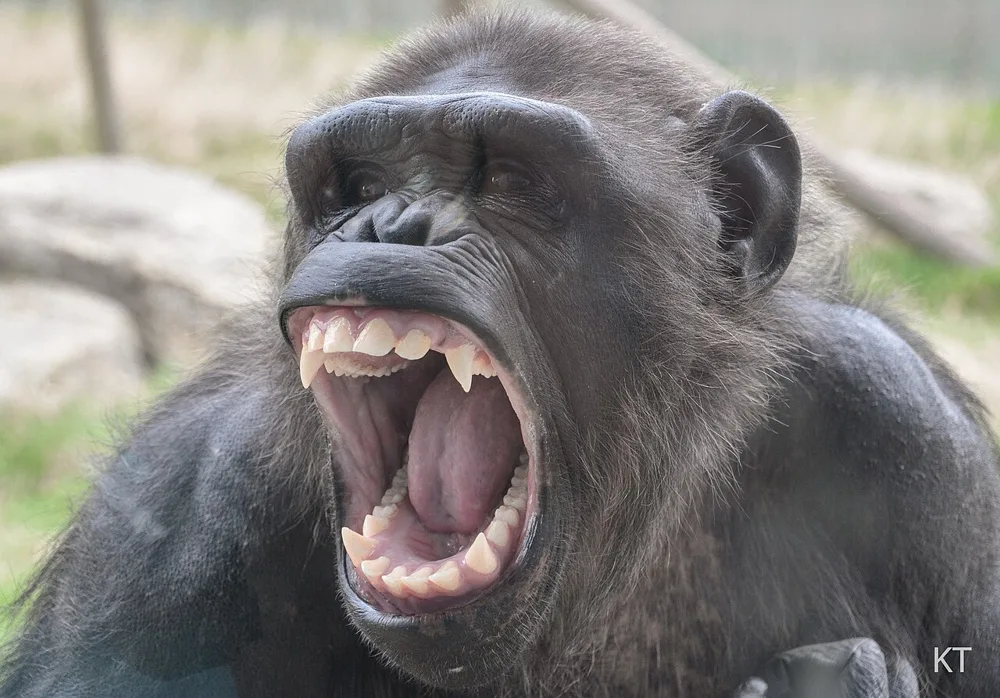
A yawn is a big, slow breath in through a wide-open mouth, with a stretch of your jaw and face. One idea with good evidence is that it brings in cooler air and gets blood moving, which may help cool your brain a little. It isn't for getting more oxygen; scientists tested that. Yawns are catching: seeing someone yawn can make you yawn. Little kids under about 4 hardly ever catch yawns, and it starts around age 4 or 5. People catch yawns more from family and friends, and chimpanzees catch yawns from chimps they know. Nobody knows for sure why yawns spread.
- 3 min
- 5 steps
- 2 questions
- Lesson 81 of 157
In this lesson
- The short answer
- Why we yawn
- Yawns are catching
- Friends, family, and chimps
- So
Picking up where you left off.
The short answer
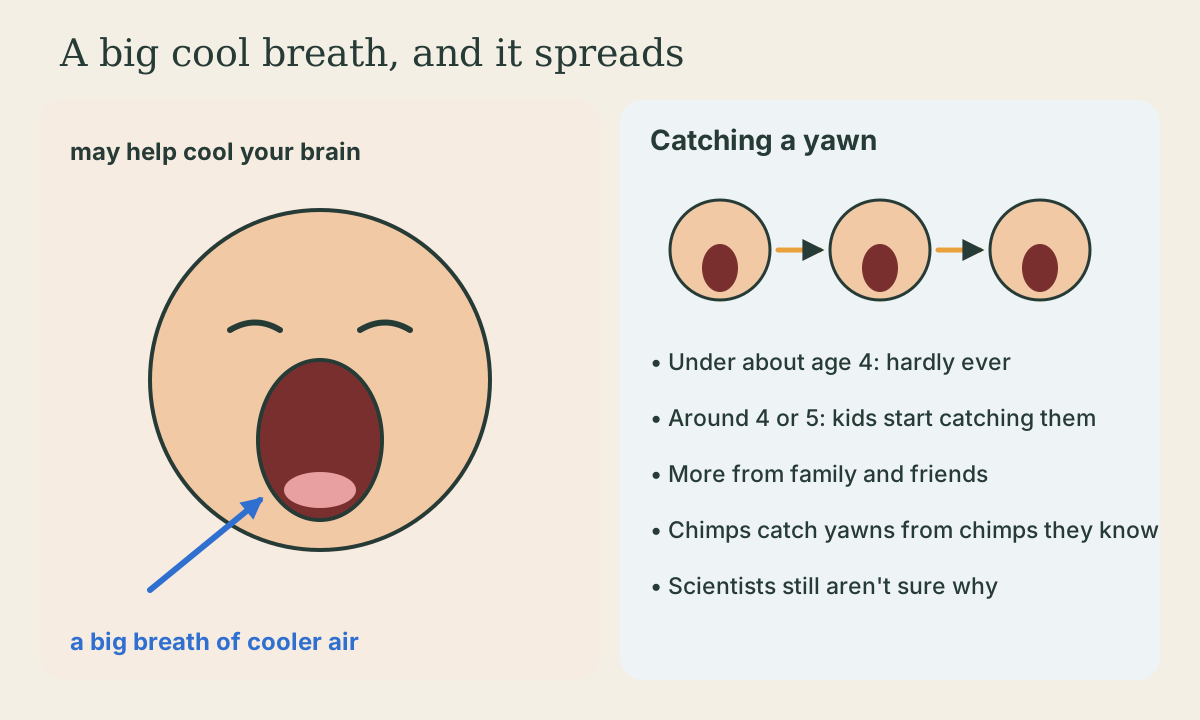
When you see someone yawn, your brain often makes you yawn too, even if you’re not tired. Scientists call it contagious yawning, and it starts around age 4 or 5 1. Nobody knows for sure why yawns spread, but they spread more between people who know each other, and chimpanzees catch yawns too 2.
Why we yawn
A yawn is a long, deep breath in through a mouth stretched wide open, with a big stretch of your jaw and face.
Lots of people think we yawn to get more oxygen. But scientists tested that: they had people breathe air with extra oxygen, and they yawned just as much as before. So that’s not it 3.
One idea with good evidence is that a yawn helps cool your brain a little. Stretching your jaw gets more blood flowing through your head, and the big breath brings in cooler air 3. In experiments, people yawned less when they held a cool pack on their forehead, and people in Arizona caught yawns about twice as often in cool winter weather as in summer, when the air was as hot as their bodies 3. You even yawned before you were born, starting at about 11 weeks in your mother’s tummy 3.
Quick check
One idea with good evidence is that yawning helps cool the brain.
Yawns are catching
Seeing someone yawn is a strong trigger. Lots of people say even reading about yawning gets them going. (Are you yawning yet?)
Babies and toddlers hardly ever catch yawns. In one study, a grown-up stopped during storytime to yawn in front of more than 120 kids. Fewer than 1 in 10 kids under age 4 yawned back, but about 4 in 10 of the kids aged 4 to 6 did 1. Scientists think younger children’s brains may not be ready yet to copy other people’s feelings and actions without thinking 1.
Quick check
In one study, kids under 4 hardly ever caught a yawn from the grown-up reading to them.
Friends, family, and chimps
Yawns seem to spread most between people who know and care about each other. Chimpanzees do this too: when chimps watched videos of other chimps yawning, they yawned more at chimps they knew than at strangers 2.
Some dogs may even catch yawns from people. In one study, 21 of 29 dogs yawned after watching a person yawn 4, though another study found much less, so scientists aren’t sure about dogs yet 4.

Why yawns are catching is still a mystery. Some scientists think it shows how we pay attention to and connect with people around us. Others say the evidence isn’t clear yet. The cooling idea and the catching idea are both still being tested 3.
Playback is optional. If the player is unavailable, open the video at its source.
So
A yawn is a big, cool breath with a stretch, and it might help cool your brain a little. It isn’t for oxygen. Yawns are catching, especially between people who know each other, and kids start catching them around age 4 or 5. Chimps catch yawns too, maybe even some dogs. Exactly why yawns spread is something scientists are still trying to figure out.
Lesson complete
Nice work.
Sources for this lesson
- 1Emily Anthes. Youngsters Immune to the Contagious Yawn. Scientific American. 2011. verifiedReports Helt et al. (University of Connecticut, Child Development, 2010): over 120 children aged 1-6 watched a researcher yawn during storytime; under age 4 fewer than 10 percent caught yawns, ages 4-6 35-40 percent; children's brains may not yet unconsciously mirror others.
- 2Matthew W. Campbell, Frans B. M. de Waal. Ingroup-outgroup bias in contagious yawning by chimpanzees supports link to empathy. PLoS ONE 6(4), e18283. 2011. verified23 chimpanzees at the Yerkes center yawned more when watching videos of familiar chimps yawning than unfamiliar ones.
- 3Andrew C. Gallup, Omar T. Eldakar. The thermoregulatory theory of yawning: what we know from over 5 years of research. Frontiers in Neuroscience 6, 188. 2013. verifiedYawning doesn't serve a respiratory function: Provine and colleagues (1987) found breathing extra oxygen or CO2 didn't change yawning. Yawning may cool the brain by changing blood flow and bringing in cooler air. Nasal breathing or a cool pack on the forehead reduced contagious yawning; people yawned contagiously nearly twice as often in winter (about 22 C) as in summer (about 37 C, body temperature). Yawning starts in the womb at about 11 weeks.
- 4Ramiro M. Joly-Mascheroni, Atsushi Senju, Alex J. Shepherd. Dogs catch human yawns. Biology Letters 4, 446-448. 2008. verified21 of 29 dogs yawned when watching a human yawn; mouth-opening without a yawn caused none. A later study (Harr et al. 2009) found much less contagious yawning in dogs, so the result is mixed.