Down Insulation: Fill Power, Fill Weight, and Baffles
Reading down gear: down clusters versus feathers, fill power as loft per ounce, fill weight and where it applies, sewn-through versus baffled chambers, the shell's three jobs, moisture, sourcing claims, three offers, and a warmth brief before buying.
- 6 min
- 11 steps
- 3 questions
- Lesson 27 of 49
In this lesson
- First separate down from feathers
- Fill power is a density clue
- Fill weight is necessary but still not sufficient
- Baffles decide where loft lives
- The shell has three jobs
- Moisture changes the system
- Species, source, and ethics are separate claims
- Three offers
- A warmth brief before buying
- Rule of thumb
Open alongside this lesson
-
Explanation of Down and Feather Tests (opens in a new tab)
Fill power, cluster percentage, species, cleanliness, and net fill weight answer different questions; read the method and conditioning with the number.
-
Responsible Down Standard (opens in a new tab)
The Responsible Down Standard addresses farm practices and chain of custody. It does not certify warmth, construction quality, or fit.
Picking up where you left off.
Down is valuable because a small mass can hold a large, still volume of air. The feathers and clusters do not “make heat”; the three-dimensional structure slows heat transfer while the body or sleeper supplies warmth.
Fineas Jackson’s comforter and puffer episodes provide the commercial puzzle: similar-looking products can carry radically different numbers and prices 1 2. The solution is to stop asking whether the fill is premium and specify the system.
Playback is optional. If the player is unavailable, open the video at its source.
First separate down from feathers
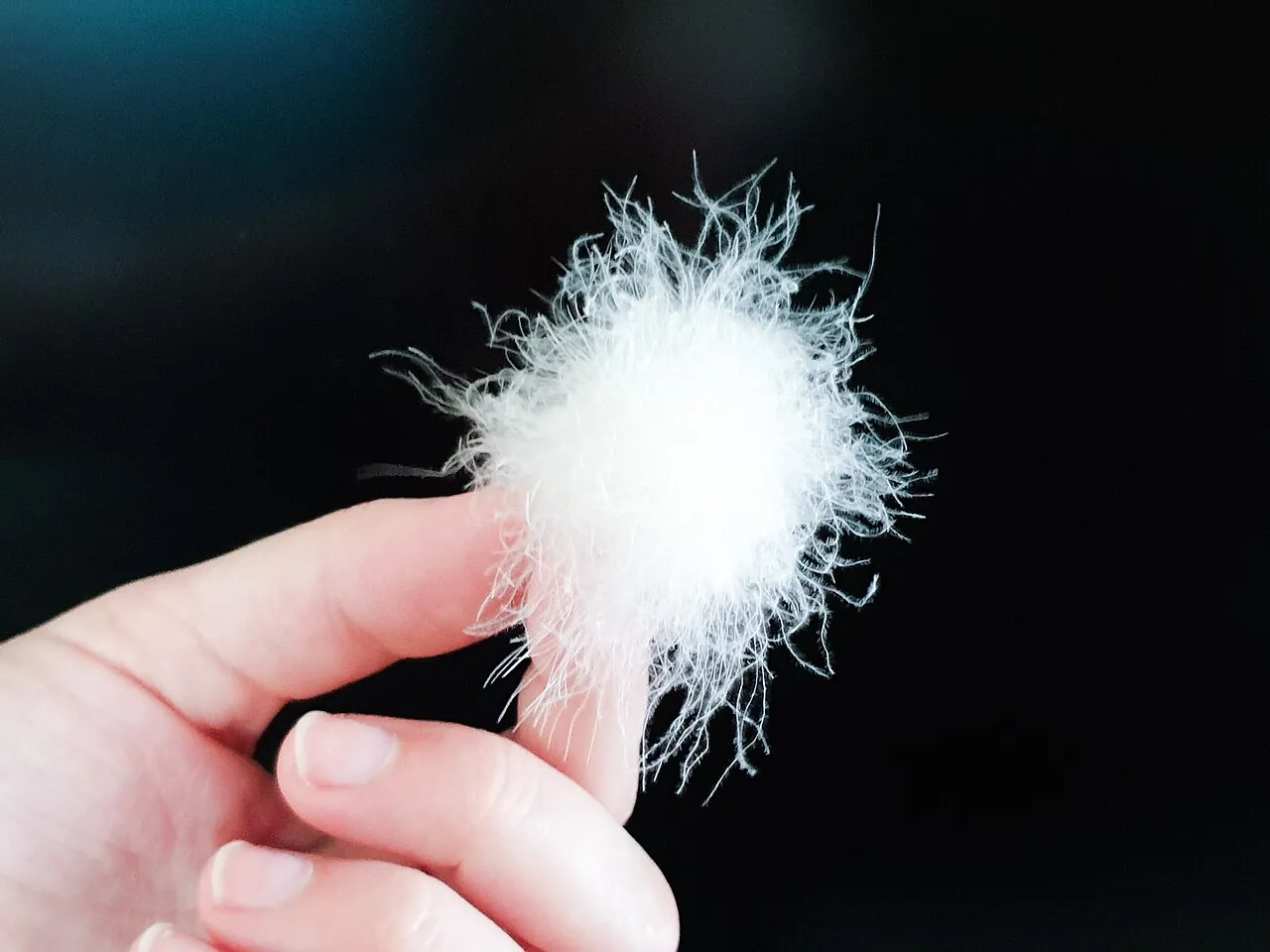
A down cluster is the soft, branching structure beneath exterior feathers. It has no long central quill like a typical feather. Its filaments trap air and interlock into loft. Feathers can add support and reduce cost, but quills increase weight and may poke through the shell.

Labels may distinguish:
- down cluster;
- other down fiber;
- small feathers;
- feather fiber;
- damaged material or residue;
- species claims such as goose or duck.
Cluster percentage is not the same as fill power. A high cluster proportion says more of the filling belongs to a defined content class. Fill power says how much volume a conditioned sample occupies under a test. Both can matter.
Fill power is a density clue
In common U.S. labeling, fill power is expressed as cubic inches of loft per ounce under stated conditioning and test conditions. Higher fill power generally means a smaller mass can create a given loft.
A rough comparison:
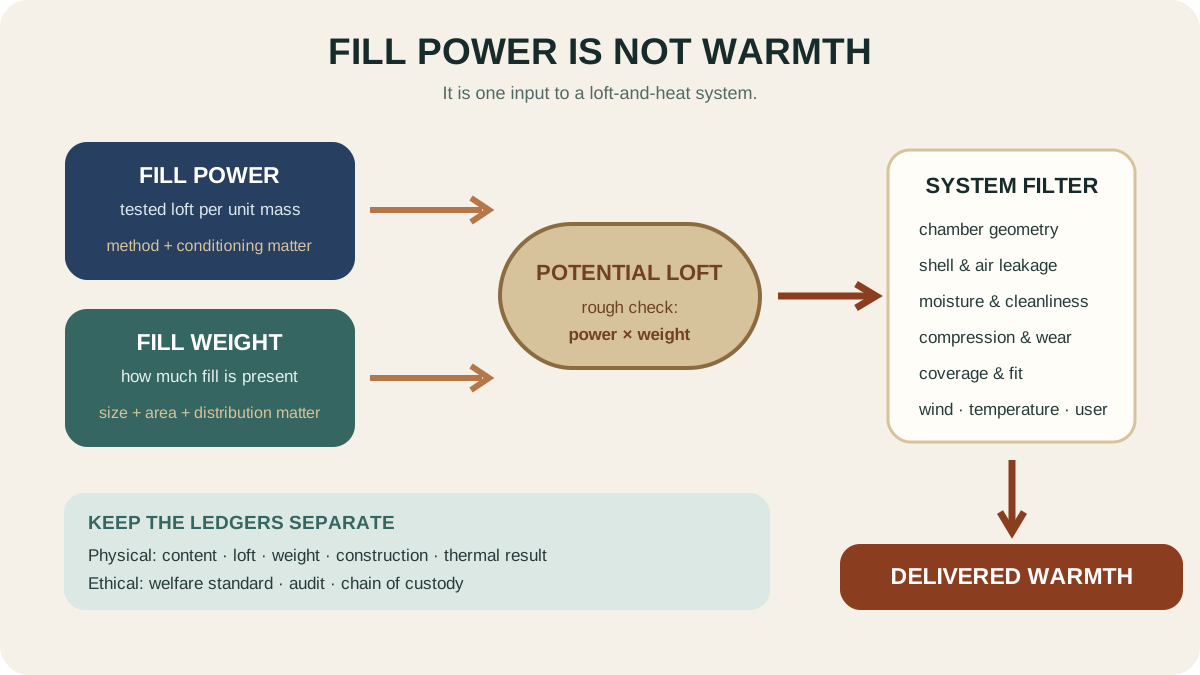
potential loft volume ≈ fill power × fill weight
If one product contains 12 ounces of 600-fill material:
600 × 12 = 7,200 cubic-inch units of tested loft potential
If another contains 8 ounces of 800-fill:
800 × 8 = 6,400
This does not predict exact warmth. It is a sanity check showing why fill power without fill weight is incomplete. Chamber geometry, compression, coverage, leakage, moisture, test differences, and fit can reverse a superficial ranking.
IDFL explains that conditioning and test method affect fill-power measurement and separately describes content, species, cleanliness, and net fill weight tests 3. Compare numbers only when their basis is reasonably aligned.
Fill weight is necessary but still not sufficient
Fill weight tells you how much filling is inside the product. Ask whether it applies to:
- the whole garment or one size;
- down alone or the entire insulation blend;
- an average, minimum, or design target;
- a single comforter size;
- pre-production samples or regular quality control.
Large sizes need more fill to maintain the same density and coverage. A long parka can carry more down than a short jacket yet insulate the torso similarly per area.
One useful normalization is:
fill density by area = fill weight / insulated surface area
It will not replace thermal testing, but it exposes comparisons between a cropped jacket and a long coat.
Baffles decide where loft lives
Sewn-through chambers stitch shell layers directly together. They are light, simple, and prevent large-scale migration, but each seam compresses fill into a potential cold line.
Box baffles connect inner and outer shells with internal walls. They allow more continuous loft but add material, sewing, weight, and failure opportunities.
Offset or overlapping constructions try to interrupt cold paths. Differential cut gives the outer shell more area than the inner so insulation can loft around curves without being crushed.
Even excellent down performs poorly when:
- chambers are underfilled and clusters migrate;
- chambers are overfilled and cannot expand;
- a shoulder strap crushes the loft;
- elbows and seat repeatedly compress;
- the garment is tight across the back;
- the comforter has empty perimeter zones;
- down leaks through fabric or seams.
The shell has three jobs
The shell contains very fine material, permits enough air movement for loft, and survives use. A dense weave or calendared surface can improve downproofness, but can also feel clammy or make noise. Lightweight fabric saves mass while becoming more vulnerable to abrasion and needle damage.
IDFL’s standards list separates downproofness, air permeability, fill content, cleanliness, and other tests because one pass cannot stand in for the rest 4.
Inspect seam leakage after flexing, not only when new. A few escaping filaments may be normal; recurring clusters or feathers suggest a hole, damaged seam, or unsuitable fabric.
Moisture changes the system
Down loses loft when wet and can dry slowly inside closed chambers. Water-resistant treatments may slow wetting, but do not make an ordinary down jacket a waterproof insulation system. Synthetic fills often retain more useful structure while damp and can simplify care, though they may be heavier or bulkier for a given warmth and can lose loft through repeated compression.
Choose by failure mode:
- dry, cold, weight-sensitive use favors high-loft down;
- wet, dirty, frequently laundered use may favor synthetic insulation;
- a home comforter needs comfort across room temperature and sleeper metabolism, not expedition specifications.
Species, source, and ethics are separate claims
Goose versus duck does not automatically decide quality. Mature birds and sorted clusters may support higher loft, but test results and actual content are more useful than species prestige.
Textile Exchange’s Responsible Down Standard prohibits live plucking and force feeding within its certified system, uses third-party auditing, and tracks material through a chain of custody 5. Certification supports an ethical claim. It does not tell you fill weight, baffle design, or warmth.
Read three ledgers:
- physical: content, fill power, fill weight, chambers, shell, thermal result;
- ethical: farm practices, audit scope, chain of custody;
- practical: fit, climate, washing, repair, expected compression.
Three offers
| Level | Legitimate design | Common gap | Evidence |
|---|---|---|---|
| Budget | lower fill power with enough total fill, sewn-through chambers, durable shell | heavy for warmth, vague content, migration | content label, fill weight, even chambers, care instructions |
| Performance | higher fill power, mapped amounts, light downproof shell, fit designed for loft | delicate fabric, compressed backpack zones | size-specific fill, chamber map, material tests, repair patches |
| Exceptional / specialist | high cluster content, carefully controlled baffles, differential shaping, transparent sourcing | cost, maintenance, narrow optimal use | test basis, traceable certification, construction detail, service |
A warmth brief before buying
Write:
- activity or sleep conditions;
- temperature range and wind exposure;
- moisture likelihood;
- how tightly the item will fit or be compressed;
- laundering frequency;
- acceptable mass and packed volume;
- cold tolerance;
- repair resources.
Only then compare numbers.
Rule of thumb
Fill power tells you how efficiently tested material makes loft. Fill weight tells you how much was purchased. Baffles, shell, fit, moisture, and use determine how much of that potential becomes warmth.
Practice
Fill power is a useful material property, but product warmth also depends on fill weight, distribution, construction, fit, moisture, and conditions.
Practice
Fill weight reports how much down is present; it still needs chamber distribution and garment coverage for a complete comparison.
Practice
Ethical traceability and physical performance are separate ledgers that should both be examined.
Lesson complete
Nice work.
Sources for this lesson
- 1Fineas Jackson. Why your comforter keeps making you sweat #bedding #education. Fineas Jackson on YouTube. 2026. verifiedChasing Beauty episode 24; 2:15. Used as a case or observation prompt, not as the sole authority for technical claims. Cited at: episode 24.
- 2Fineas Jackson. Why are people wearing puffer jackets in the sweltering Japanese summer sun?. Fineas Jackson on YouTube. 2026. verifiedChasing Beauty episode 51; 2:25. Used as a case or observation prompt, not as the sole authority for technical claims. Cited at: episode 51.
- 3Explanation of Down and Feather Tests. International Down and Feather Laboratory. verifiedLaboratory explanation of fill power, conditioning, down-cluster percentage, species, oxygen number, turbidity, and net fill weight. Cited at: laboratory guide.
- 4Tests and Standards List. International Down and Feather Laboratory. verifiedLaboratory overview showing that down products may be evaluated for content, fill power, cleanliness, odor, downproofness, air permeability, and other separate properties. Cited at: test inventory.
- 5Responsible Down Standard. Textile Exchange. verifiedVoluntary standard addressing animal welfare, third-party farm auditing, prohibition of live plucking and force feeding, and chain-of-custody tracking. Cited at: standard scope.