Seed Saving
Saving garden seed that comes true: open-pollinated and heirloom versus hybrid (F1), which crops are easy (peas, beans, lettuce, tomatoes), why only varieties of the same species cross (zucchini and pumpkin yes, cucumber and squash no), isolating by time, bags, or distance (10–20 ft for beans, 800 ft to half a mile for squash and corn, up to a mile for beets), dry versus fermented wet seed, and storing seed cool and dry in a jar.
- 4 min
- 6 steps
- 3 questions
- Lesson 8 of 55
In this lesson
- Start with the right plants
- What crosses with what
- Dry seed
- Wet seed
- Storing
Picking up where you left off.
Saving seed means you never run out of a variety you love, you stop paying for packets, and over the years your seed adapts to your own garden. Most of it is simple. The skill lies in knowing which plants come true and which ones cross.
Start with the right plants
- Open-pollinated varieties grow seed that comes up like the parent (“true to type”) 1.
- Heirlooms are open-pollinated varieties passed down for generations for a quality like flavor, color, or hardiness 1.
- Hybrids, labeled F1, are a deliberate cross of two parents. Their seed usually doesn’t resemble the parent, and some is sterile. For those you buy new seed each year 1.
The easiest crops to start with are peas, beans, lettuce, and tomatoes. They’re annuals that mostly pollinate themselves, need little isolation, and need only a few plants to save good seed 1.
Quick check
Save from open-pollinated or heirloom varieties, which grow true to type.
What crosses with what
The common belief is that anything in the same family crosses: cucumbers with squash, or squash with watermelon. It’s false. Different species don’t cross. Varieties of the same species do: a zucchini and a pumpkin, for example, which are both Cucurbita varieties 1. The fruit you eat this year looks normal either way; the cross only shows up next year, when you plant the seed.
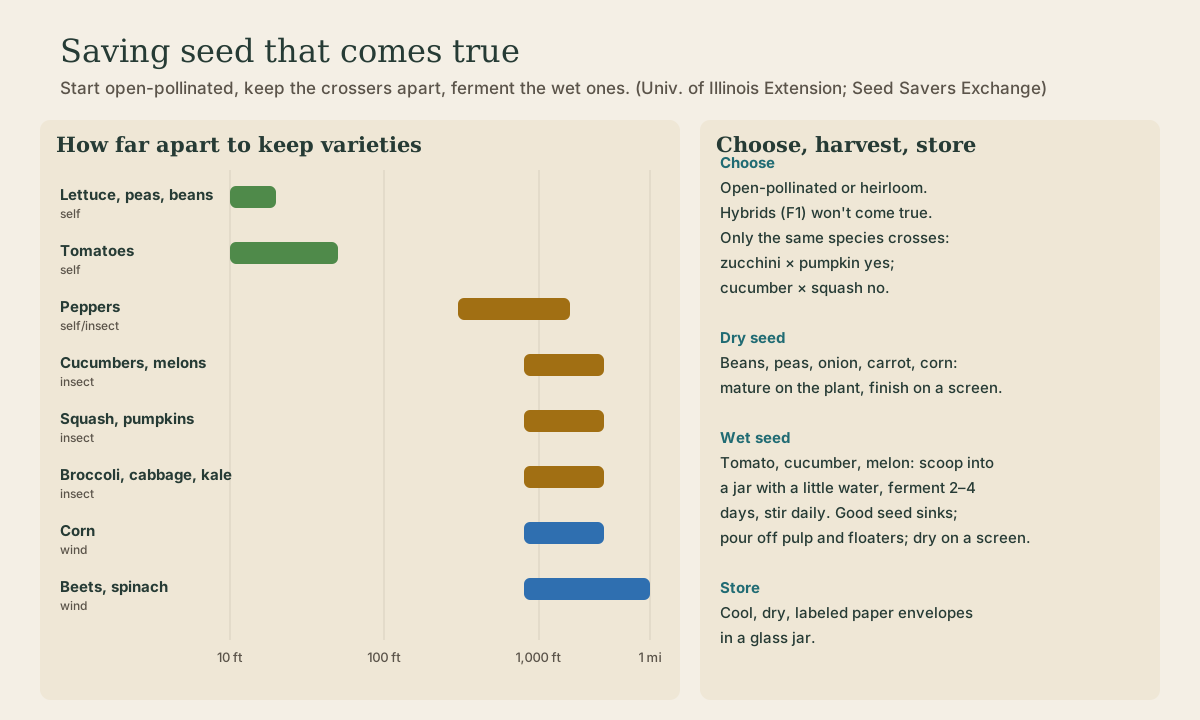
That’s why distance matters. Crops differ in how far their pollen travels 1:
| Crop | Pollinated by | Keep varieties apart by |
|---|---|---|
| Lettuce, peas, common beans | self | 10–20 ft |
| Tomatoes | self or insects | 10–50 ft |
| Peppers | self or insects | 300–1,600 ft |
| Cucumbers, melons, squash, pumpkins | insects | 800 ft–½ mile |
| Broccoli, cabbage, kale (one species) | insects | 800 ft–½ mile |
| Corn | wind | 800 ft–½ mile |
| Beets, spinach | wind | 800 ft–1 mile |
If you can’t get that far apart, use one of the other two methods 1:
- Time: stagger plantings so the varieties don’t flower together.
- Containment: cover flowers or whole plants with paper or mesh bags or row cover, then hand-pollinate: dab pollen from a male flower onto the female flower’s stigma with a small brush, or rub the male flower right onto it.
Carrots, beets, cabbage, kale, and onions are biennials: they flower and set seed in their second year 1, so in Wisconsin they have to be overwintered in the ground under mulch or dug, stored, and replanted in spring.
Quick check
A zucchini and a pumpkin (both Cucurbita pepo varieties) can cross; a cucumber and a squash can’t.
Dry seed
Beans, peas, onions, carrots, corn, flowers, and herbs: let the seed mature and dry on the plant. Cut seed heads just before they’re fully dry if they shatter easily, then finish drying them in a single layer on a screen in a cool, airy place, or in a paper bag that catches the seed 1.
Wet seed
Tomatoes, cucumbers, and melons hold their seed in wet pulp with a gel coating 1:
- Pick a fully ripe fruit (cucumbers for seed go well past eating stage, to yellow and soft).
- Scoop the seeds and pulp into a jar with a little water.
- Let it ferment 2 to 4 days, stirring daily. The fermentation breaks down the gel coat.
- Good seed sinks; pulp and dead seed float. Pour off the top, rinse, and repeat until the seed is clean.
- Spread the seed on a screen or paper towel to dry completely.
Playback is optional. If the player is unavailable, open the video at its source.
Quick check
Two to four days in a little water, stirred daily, then rinse and dry on a screen.
Storing
Keep seed cool and dry. Paper envelopes inside a glass jar keep out moisture and pests. Label every envelope with the crop, variety, and year 1.
Try it
This fall, save seed from one open-pollinated tomato and one bean variety: ferment the tomato seed and let the bean pods dry on the vine. Next spring, plant some of each and compare them with the parents. If they come true, you’ve started your own seed line.
Lesson complete
Nice work.
Sources for this lesson
- 1How to Save Seeds. University of Illinois Extension (Gemini Bhalsod), isolation table from Seed Savers Exchange. 2021. verifiedSave from open-pollinated or heirloom plants; hybrids (F1) don't come true. Easiest: peas, beans, lettuce, tomatoes (self-pollinating, little isolation). Only varieties of the same species cross (summer squash with pumpkins), not different species in a family. Isolate by time, containment (bags, row covers, hand pollination), or distance: lettuce, pea, common bean 10-20 ft; tomato 10-50 ft; pepper 300-1,600 ft; cucumber, melon, squash, pumpkin, broccoli, cabbage, kale, carrot, corn 800 ft-1/2 mile; beet and spinach 800 ft-1 mile. Dry harvest: beans, peas, onion, carrot, corn, herbs, finished on screens. Wet harvest: ferment in a little water 2-4 days, stir daily; viable seeds sink; dry on paper or screen. Store cool and dry in paper envelopes, in a glass jar, labeled with variety and date.