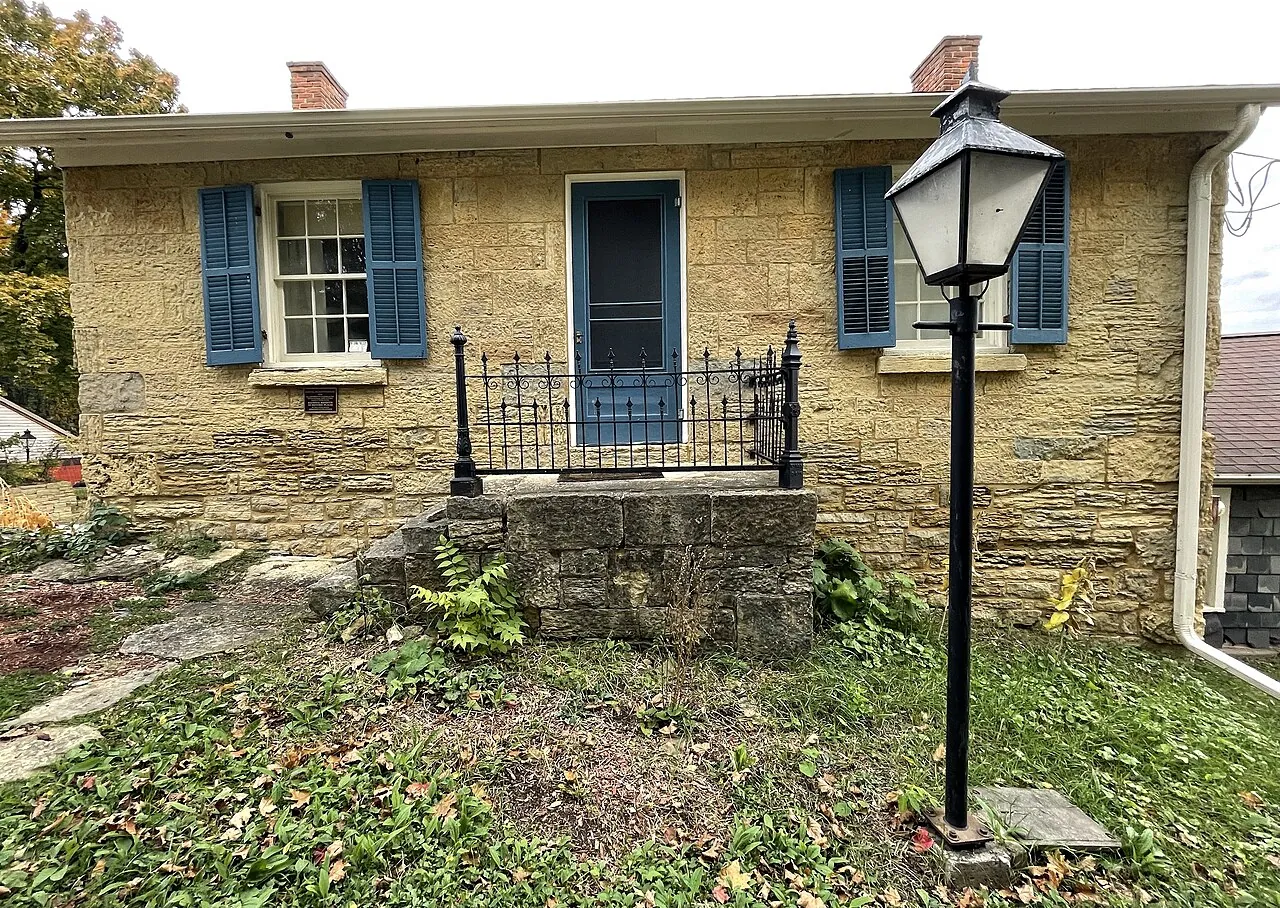
Risk on a Historic, Youth-Serving Arts Campus
Managing risk on a 2.5-acre historic campus with children, studios, lodging, and events: writing scenarios for a risk register, the CDC's six youth-protection components, tool and building hazards, rentals and alcohol, baseline cyber controls, crisis command, and risk appetite.
- 5 min
- 10 steps
- 3 questions
- Lesson 12 of 36
In this lesson
- Build a risk register
- Youth protection
- Studios, tools, and materials
- Historic buildings and grounds
- Lodging, rentals, events, and alcohol
- Data and cyber
- Crisis command
- Risk appetite
- Quarterly board risk report
Open alongside this lesson
-
Preventing Child Sexual Abuse Within Youth-Serving Organizations (opens in a new tab)
Use with Wisconsin reporting law, qualified safeguarding advice, and organization-specific procedures.
Picking up where you left off.
Shake Rag is not only a classroom nonprofit. Its public materials describe a 2.5-acre historic campus, programs for adults and children, studios and workshops, lodging, rentals, and events 1. Each adds mission value and a different exposure.
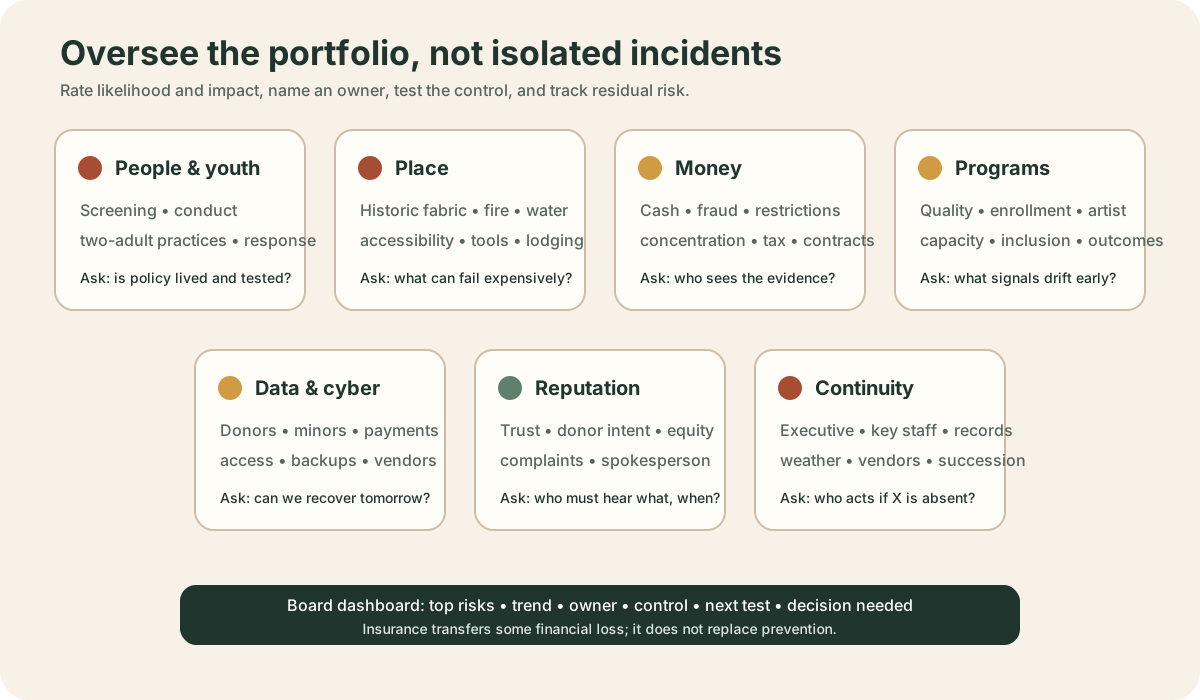
The board’s goal is not “no risk.” It is informed risk in service of mission, with prevention, response, financing, and learning.
Build a risk register
For each risk record:
scenario · causes · affected people/assets · existing controls · likelihood · impact · velocity · owner · indicators · treatment · deadline · residual risk · board threshold
“Cybersecurity: high” is not a scenario. Use:
A compromised staff account changes donor payment instructions, exposes participant data, and interrupts registration during peak enrollment.
Now controls and response can be tested.
Score impact across:
- safety/safeguarding;
- mission/program continuity;
- cash/financial loss;
- property/historic fabric;
- legal/regulatory/grant;
- privacy;
- reputation/relationships;
- staff capacity.
Youth protection
The CDC frames prevention in six components: screening/selecting employees and volunteers, interaction guidelines, monitoring behavior, safe environments, responding to inappropriate behavior/breaches/allegations, and training 2.
Board assurance questions:
- Which roles require applications, references, checks, interviews, and rescreening?
- Are interaction rules explicit for one-on-one contact, digital communication, transportation, bathrooms/changing, overnight situations, photography, gifts, and physical assistance?
- How are minors signed in/out and released?
- Can participants report concerns through more than one safe channel?
- Do staff/volunteers know Wisconsin mandatory-reporting duties applicable to their roles?
- Who contacts authorities? Who must not investigate?
- Are lower-level boundary violations documented and corrected before escalation?
- Are facilities arranged for visibility without destroying privacy?
- Are contractors, instructors, renters, and partner programs covered by agreements?
- Is retaliation prohibited?
- What anonymized board indicators show implementation?
A background check is one control, not a youth-safety system.
Studios, tools, and materials
Map each activity:
- tool/material hazards;
- required age/skill and instructor ratio;
- guarding, ventilation, PPE, housekeeping;
- chemical labeling, storage, disposal;
- allergy/exposure information;
- emergency stops, first aid, eyewash, fire control;
- equipment inspection/maintenance;
- accessibility and alternate participation;
- waiver/consent language reviewed by counsel/insurer;
- incident and near-miss reporting.
The board should receive trends and serious exceptions, not conduct daily inspections.
Historic buildings and grounds
Deferred maintenance can compound silently. Maintain:

- condition assessment by building/system;
- life-safety and code priorities;
- preservation significance and acceptable intervention;
- roof/water/drainage envelope;
- electrical, fire, egress, accessibility, HVAC/air quality;
- trees, paths, ice, lighting, retaining/terrain;
- project cost bands, contingencies, inflation, dependencies;
- restricted versus unrestricted funding;
- insurance valuation and business-interruption assumptions;
- preventive schedule and completed evidence.
Use priority:
- imminent people safety;
- active water/fire/structural deterioration;
- mission interruption/access;
- cost escalation;
- enhancement.
Never let the capital plan be only a donor wish list. Unphotogenic systems preserve the campus too.
Lodging, rentals, events, and alcohol
Clarify:
- occupancy, fire/egress, emergency contacts;
- cleaning, food, pests, keys/access, security;
- accessibility and accommodation;
- renter use restrictions, supervision, insurance, indemnity;
- cancellations, deposits, damage, weather;
- vendor certificates and contract review;
- alcohol service/licensing and intoxication response;
- cash/auction/raffle controls;
- incident jurisdiction between renter and Shake Rag;
- on-call authority after hours.
Risk transfer in a contract is only useful if valid, understood, insured, and followed.
Data and cyber
Inventory data: children, participants, donors, payment, employees, artists, health/accommodation, photos, credentials. Minimize collection and retention.
Baseline controls:
- multifactor authentication;
- password manager and no shared personal logins;
- least privilege and prompt offboarding;
- patched devices and protected backups;
- payment processing through compliant providers;
- phishing/wire-change verification;
- vendor review and breach terms;
- incident plan with insurer/counsel/communications contacts;
- annual tabletop exercise.
Board indicators: MFA coverage, overdue access removals, backup restore test, critical patches, phishing trend, incidents and corrective actions.
Crisis command
Preassign:
- incident lead;
- safety/authority contact;
- executive and board notification thresholds;
- insurer/counsel/safeguarding/technical contacts;
- spokesperson and holding statement;
- family/participant/staff communications;
- operational continuity;
- documentation and after-action owner.
First principles:
protect life · report as required · preserve facts · care for affected people · communicate only verified information · avoid speculation/retaliation · restore mission safely · learn
Risk appetite
Write statements:
- very low appetite: child harm, fraud, retaliation, deliberate legal breach;
- low appetite: unmanaged life-safety or historic-asset deterioration;
- moderate appetite: piloting a bounded new program with stop/go evidence;
- considered appetite: mission-aligned artistic experimentation where consent and controls are strong.
Then attach thresholds. Without thresholds, “low appetite” is decoration.
Quick check
Moderate appetite fits bounded pilots with stop-or-go evidence.
Quarterly board risk report
- top five changing exposures;
- severe incidents and corrective status;
- leading indicators;
- overdue high-priority treatments;
- insurance/claims changes;
- new programs/properties/contracts/grants affecting exposure;
- decisions requested.
Board exercise: select one plausible scenario—child boundary concern, fire, tool injury, burst pipe, data breach, sudden executive absence—and run a 45-minute tabletop. Ask who acts in the first 10 minutes, two hours, day, week, and month. Every uncertain answer becomes an assigned improvement.
Practice
Mission requires risk; governance makes it understood, controlled, financed, and monitored.
Practice
Leading indicators reveal weakening controls before severe harm occurs.
Lesson complete
Nice work.
Sources for this lesson
- 1About Us. Shake Rag Alley Center for the Arts. verifiedCurrent mission, staff and board roster, programs, campus history, and organization timeline. Cited at: campus; @sra-catalog-2026|programs; @sra-lodging|lodging; @sra-rentals|rentals.
- 2Preventing Child Sexual Abuse Within Youth-Serving Organizations. Centers for Disease Control and Prevention. verifiedSix-part prevention framework covering selection, interactions, monitoring, environments, response, and training. Cited at: prevention framework.
Further reading
- 2026 Workshops, Retreats & Special Events. Shake Rag Alley Center for the Arts. 2026. verifiedCurrent program catalog and mission-facing description of the campus and learning experience.
- Shake Rag Alley Lodging. Shake Rag Alley Center for the Arts. verifiedCurrent lodging inventory, rates, guest policies, and earned-revenue context.
- Site Rental. Shake Rag Alley Center for the Arts. verifiedCurrent campus rental offerings and facilities used for private events and retreats.
- What Do You Know About D&O?. Nonprofit Risk Management Center. verifiedExplains the management-decision focus and important limits of directors and officers liability insurance.