Lead and Galvanized Water Lines
Checking what your water service line is made of with a key and a magnet, what Stoughton replaced in 2021 and what it still requires, why old galvanized pipe can hold lead, lead in solder and brass inside the house, and the everyday steps that cut exposure.
- 3 min
- 6 steps
- 2 questions
- Lesson 85 of 111
In this lesson
- Check your service line
- In Stoughton
- Old galvanized pipe
- Lead inside the house
- Cut your exposure
- Try it
Picking up where you left off.
Check your service line
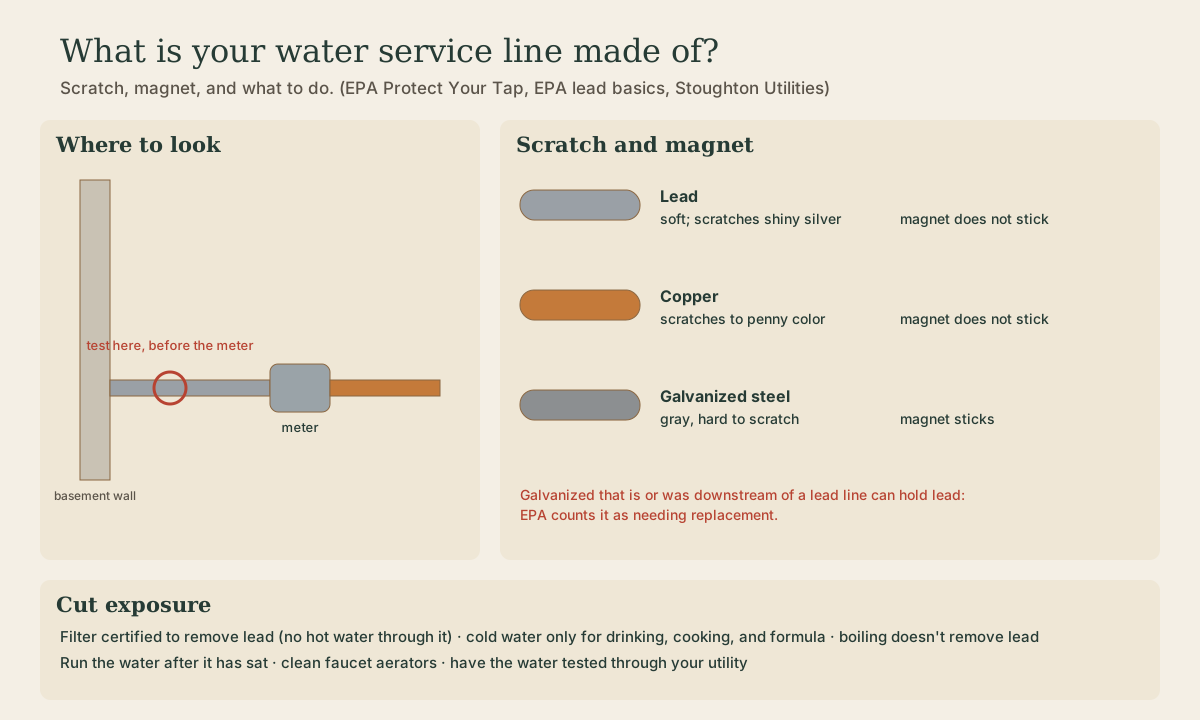
The service line is the pipe from the water main to your house; in homes that have one, a lead service line is usually the largest source of lead in the water, and lead pipes are more likely in homes built before 1986 1. EPA’s Protect Your Tap check 2:
- Find where the service line comes through the basement wall or floor to the meter.
- Gently scratch the pipe on the street side of the meter with a key or coin. Don’t use a knife or make a hole.
- Try a magnet.
| Pipe | Scratch | Magnet |
|---|---|---|
| Lead | soft, shiny silver | doesn’t stick |
| Copper | penny color | doesn’t stick |
| Galvanized steel | gray, hard to scratch | sticks |
Quick check
Copper scratches to a penny color; galvanized is hard and a magnet sticks.
In Stoughton
Stoughton’s water leaves the wells without lead and its mains contain none. In 2021 Stoughton Utilities replaced every water service line in the city known to be lead, under an ordinance that declares lead service lines a public nuisance and requires replacing both the public and private portions; a DNR grant paid for the private side at no cost to homeowners. The ordinance also covers lead lines found later, during road work or other digging. The utility keeps a service-line inventory and publishes yearly test results 3. If your check finds lead, call the utility.
Old galvanized pipe
Galvanized steel that is, or ever was, downstream of a lead service line can have adsorbed lead and release it into the water. EPA calls these “galvanized requiring replacement” 4. A 1905 house may have galvanized supply pipes inside as well, often rusted and narrowed; plan to replace them with copper or PEX (Residential Plumbing course).
Cut your exposure
EPA’s steps 1:
- Use a filter certified to remove lead, and don’t run hot water through it.
- Use cold water for drinking, cooking, and baby formula. Boiling doesn’t remove lead.
- Run the water after it has sat, by running the tap, showering, or doing laundry or dishes.
- Clean faucet aerators, where lead particles collect.
- Test the water through your utility.
Quick check
EPA: boiling water does not remove lead.
Try it
Do the scratch-and-magnet check on the service line today, photograph the pipe and the meter, and look the address up in Stoughton Utilities’ service-line inventory. If the two disagree, tell the utility.
Lesson complete
Nice work.
Sources for this lesson
- 1Basic Information about Lead in Drinking Water. U.S. Environmental Protection Agency. verifiedLead enters water as lead pipes, faucets, and fixtures corrode; lead service lines are typically the most significant source; more likely in homes built before 1986; otherwise brass or chrome-plated brass fixtures and lead solder. Steps: use a filter certified to remove lead and don't run hot water through it; clean aerators; use only cold water for drinking, cooking, and formula, since boiling doesn't remove lead; run the water after it has sat; find out what your service line is made of; beware nearby construction; have the water tested.
- 2Protect Your Tap: A Quick Check for Lead. U.S. Environmental Protection Agency. verifiedEPA's step-by-step guide to identifying lead service lines: find where the service line enters near the meter; scratch it gently with a key or coin and try a magnet. Lead scratches to shiny silver and a magnet doesn't stick; copper scratches to penny color, magnet doesn't stick; galvanized steel is gray, hard to scratch, and a magnet sticks.
- 3Lead Education Program. Stoughton Utilities. verifiedStoughton's water has no lead leaving the wells and its mains contain no lead; lead can enter through interior plumbing. In 2021 the utility replaced all water service lines known to be lead, under an ordinance declaring lead service lines a public nuisance and requiring replacement of public and private portions, with a DNR grant covering private portions at no cost to homeowners; the ordinance also covers lead lines found later. The utility keeps a service-line inventory and tests water yearly (Consumer Confidence Report).
- 4Notice of Confirmed Galvanized Service Line (template). U.S. Environmental Protection Agency. 2024. verifiedGalvanized service lines that are or may have been downstream of a lead service line may have adsorbed lead; EPA defines them as 'galvanized requiring replacement,' and they can contribute lead to drinking water.