Septic Systems
How a private onsite wastewater treatment system works: the septic tank settles solids into sludge and floats grease into scum, and the clearer effluent flows to a drainfield or mound where soil does the real treatment. Wisconsin's rules (pump when sludge and scum fill a third of the tank; older soil systems inspected every 3 years; licensed pumpers; sanitary permits), EPA's every-three-years inspection advice, and how to keep a drainfield alive.
- 4 min
- 5 steps
- 3 questions
- Lesson 41 of 111
In this lesson
- How it works
- Permits and plans
- Maintenance
- Protecting the drainfield
- What to take from this
Picking up where you left off.
How it works
Homes without a sewer use a private onsite wastewater treatment system (POWTS), usually a septic tank and a drainfield.
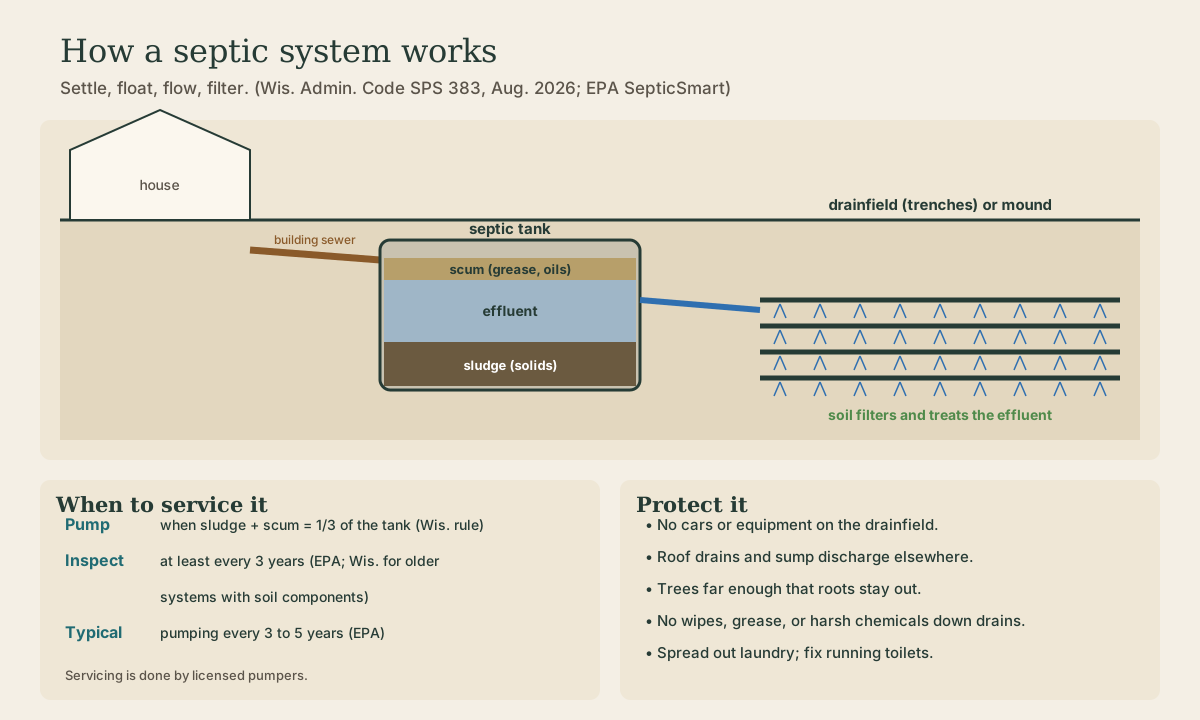
In the septic tank, wastewater sits long enough for solids to settle to the bottom as sludge and for oil and grease to float to the top as scum 1. Bacteria slowly digest some of the solids. The clearer liquid in the middle, the effluent, flows out to the drainfield, a set of trenches or beds, where it seeps into the soil. The soil does the real treatment, filtering out harmful bacteria and viruses before the water reaches groundwater 1.
Where native soil is too shallow, too wet, or too tight, Wisconsin systems use mounds, sand filters, aerobic units, or other designs that pump effluent through engineered media 1 2. Where nothing will treat on site, a holding tank stores all the wastewater for hauling away 2.
Quick check
The tank separates solids and grease; the soil filters out bacteria and viruses.
Permits and plans
In Wisconsin, installing or modifying a POWTS requires a sanitary permit from the county or other governmental unit, issued only after the plans are approved; a permit expires after 2 years if unused 2. Every system has a management plan listing its maintenance and servicing needs 2. Well separation still applies: 25 feet from a septic tank to a well, 50 from the drainfield 3.
Maintenance
Wisconsin’s rules 2:
- A septic tank must be serviced (pumped) at least when the combined sludge and scum equal one third of the tank’s volume.
- A holding tank is pumped at least when the wastewater reaches one foot below the inlet.
- An older POWTS (before July 1, 2000) that uses soil for treatment or dispersal must be visually inspected at least every 3 years for effluent ponding on the surface.
- Servicing is done by licensed pumpers.
EPA’s rule of thumb for a household system: inspect at least every three years, and expect pumping every three to five years 1. Skip it and sludge washes into the drainfield and clogs the soil, which is the expensive part to replace.
Quick check
EPA notes most household tanks need pumping every three to five years, and inspection at least every three.
Protecting the drainfield
EPA’s care list 1:
- Don’t drive or park on the drainfield; weight crushes pipes and compacts soil.
- Send roof drains and sump pump discharge elsewhere; extra water floods the soil and slows treatment.
- Plant trees far enough away that roots stay out of the trenches.
- Don’t flush wipes, feminine products, floss, or paper towels; don’t pour grease or harsh chemicals down drains, which harm the bacteria.
- Use water efficiently: spread out laundry, fix running toilets. A typical home uses up to 70 gallons per person per day indoors.
Warning signs of trouble: slow drains throughout the house, sewage odors, soggy or unusually green grass over the drainfield, or wastewater surfacing.
Playback is optional. If the player is unavailable, open the video at its source.
Quick check
Weight crushes pipes, extra water floods the soil, and roots clog the trenches.
What to take from this
The septic tank separates solids (sludge) and grease (scum), and soil in the drainfield or mound treats the effluent. Wisconsin requires a sanitary permit to install, pumping when sludge and scum fill a third of the tank, 3-year inspections for older soil systems, and licensed pumpers; EPA advises inspection every three years and pumping every three to five. Keep vehicles, roof water, and roots off the drainfield, and keep wipes, grease, and chemicals out of the drains.
Lesson complete
Nice work.
Sources for this lesson
- 1SepticSmart: How Your Septic System Works; How to Care for Your Septic System. U.S. Environmental Protection Agency. verifiedSolids settle as sludge and grease floats as scum; effluent flows to the drainfield, where soil removes bacteria and viruses; alternative systems use sand, media, or other treatment; inspect a household system at least every three years and expect pumping every three to five; use water efficiently; don't flush wipes or pour grease or harsh chemicals; don't drive or park on the drainfield; keep roof drains and sump pumps away; plant trees at a distance.
- 2Wis. Admin. Code ch. SPS 383, Private Onsite Wastewater Treatment Systems. Wisconsin Legislature. 2026. verifiedRegister August 2026. A sanitary permit is required for a POWTS and expires after 2 years if unused; every POWTS has a management plan; an anaerobic treatment (septic) tank must be serviced at least when combined sludge and scum equal one third of tank volume; a holding tank when wastewater reaches one foot below the inlet; servicing is by licensed pumpers; a POWTS existing before July 1, 2000 with soil treatment or dispersal must be visually inspected at least every 3 years for surface ponding.
- 3Wis. Admin. Code ch. NR 812, Well Construction and Pump Installation. Wisconsin Legislature. 2026. verifiedRegister February 2026. Table A minimum separation distances from new wells (not waivable at property lines): LP tank serving a house 8 ft, sanitary building sewer 8 ft, cistern 8 ft, septic tank or other POWTS treatment component 25 ft, holding tank 25 ft, vault privy 25 ft, residential fuel oil tank under 1,500 gal 25 ft, lake or stream shore 25 ft, POWTS dispersal component (drainfield or mound) 50 ft, pit privy 50 ft, animal barn, shelter, or yard 50 ft, fabricated manure storage 100 ft, earthen manure storage 250 ft, landfill 1,200 ft; well casing must terminate at least 12 inches above grade or floor; wells may not terminate in basements or crawl spaces; vermin-proof caps; pitless adapters below frost; drillers must return and correct a new well that tests positive for coliform bacteria; 'filling and sealing' unused wells.