Earth Pigments: Ochres, Umbers, and Oxides
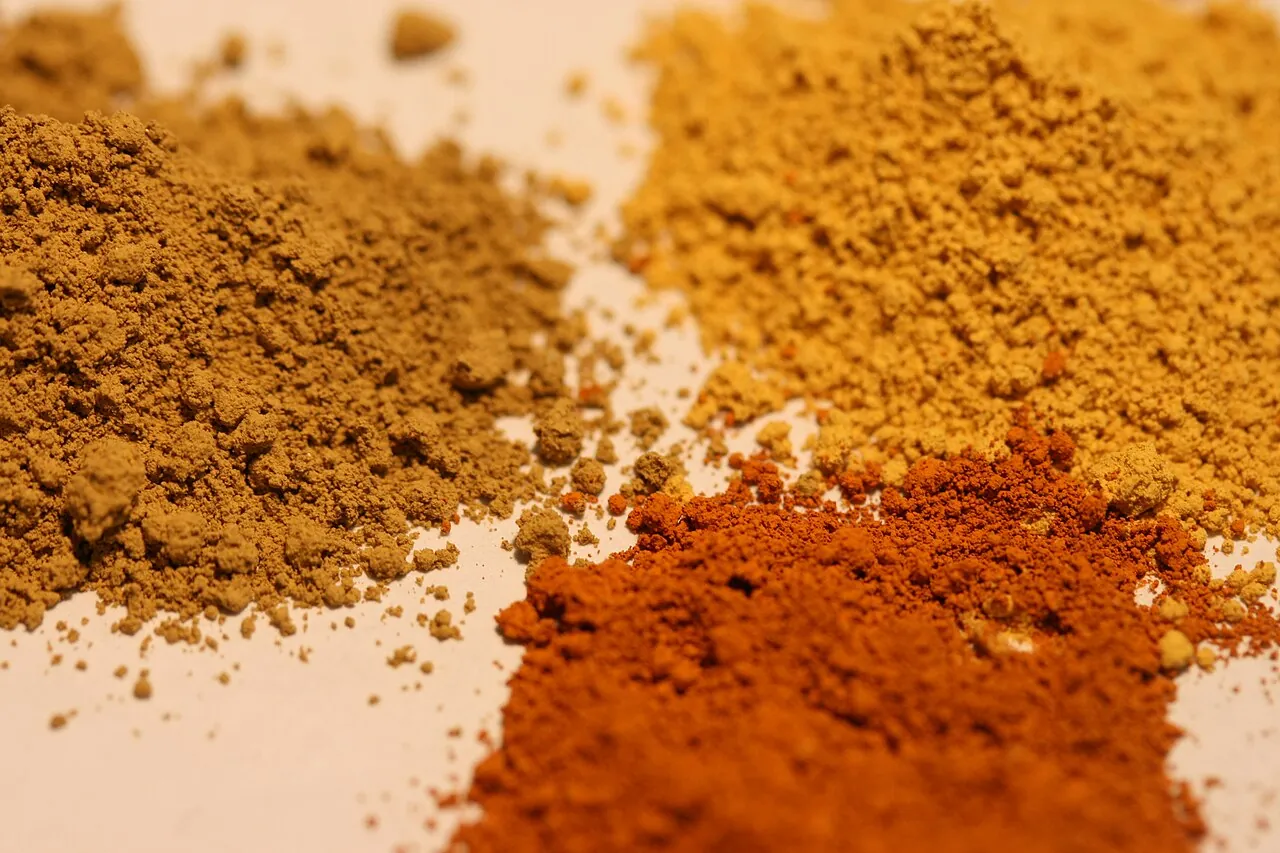
The colors of traditional paint come mostly from iron - yellow ochre, red oxide, siennas, umbers - which are cheap, permanent, safe, and work in oil, milk, flour, and lime paints alike.
- 4 min
- 7 steps
- 3 questions
- Lesson 106 of 160
In this lesson
- Paint is mostly about iron
- The iron family
- Other traditional colors
- Which pigments work where
- Handling pigments safely
- Testing color
- What to take from this
Picking up where you left off.
Paint is mostly about iron
Look at old barns, Scandinavian farmhouses, and country furniture, and most of the colors are earthy: barn red, ochre yellow, brown, gray-green. That’s because the cheapest, most permanent pigments on earth are iron oxides, dug from the ground or made from iron, and they’ve colored paint since cave painting. The Swedish National Heritage Board’s traditional palette for linseed oil paint is built on them: yellow ochres and iron oxide yellows, raw and burnt sienna, raw and burnt umber, English red, iron oxide red, and caput mortuum, with ultramarine, cobalt, chromium oxide green, and iron oxide or bone black filling out the range 1.
The iron family
- Yellow ochre: clay colored by hydrated iron oxide. Warm, muted yellow.
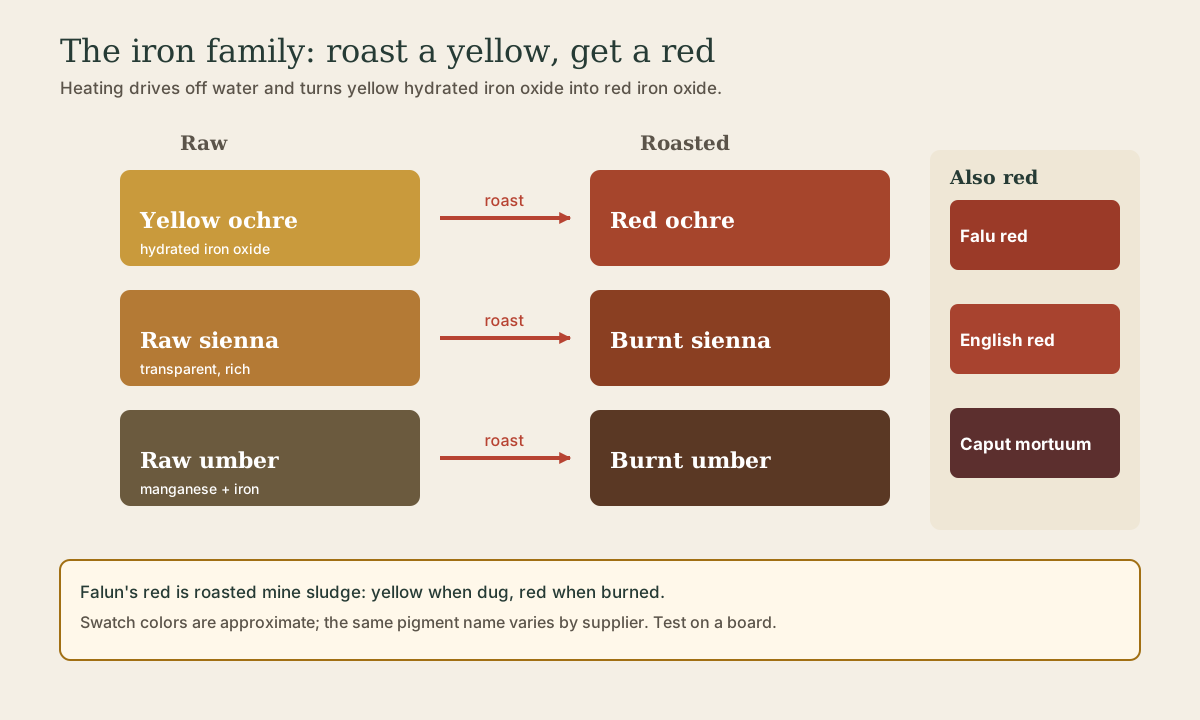
- Red ochre and red iron oxide: iron oxide without the water. Falu red and “barn red” are in this family; so is English red and the deep violet-brown caput mortuum.
- Raw sienna: a richer, more transparent yellow-brown ochre, named for Siena in Italy.
- Raw umber: contains manganese oxides as well as iron, giving a cool, greenish brown; named for Umbria.
- Burnt sienna and burnt umber: the raw pigments roasted. Heating drives off water and converts yellowish hydrated iron oxide to red iron oxide, so raw sienna becomes a warm red-brown and raw umber a deep warm brown. Roasting yellow ochre the same way gives a red. Falun’s pigment is made the same way: the mine sludge is roasted, and it turns from yellow to red.
- Synthetic iron oxides: manufactured versions with stronger, cleaner, more consistent color; chemically the same.

Earth pigments vary by source. The same name from two suppliers can be noticeably different, which is why traditional painters stuck with one supplier and recorded recipes.
Quick check
Yellow ochre’s color comes from hydrated iron oxide. Roasting drives off the water and leaves red iron oxide, which is how burnt sienna and burnt umber are made too.
Quick check
Roasting turns raw umber into the deep, warm burnt umber.
Other traditional colors
- Whites: historically white lead in oil paint, and whiting (chalk) or lime in water-based paints 2. Use titanium white or zinc white in oil today, never lead.
- Blues: ultramarine (originally ground lapis lazuli, synthetic since the 1820s) and cobalt blue. Historically Prussian blue and smalt.
- Greens: green earth (terre verte, weak), chromium oxide green (strong, opaque, permanent), or mixtures of blue and yellow.
- Blacks: iron oxide black, bone black (charred bones), lamp black (soot).
Which pigments work where
- Linseed oil paint: nearly all inorganic pigments.
- Milk paint and lime wash: only lime-safe pigments, because lime is strongly alkaline. Iron oxides, ochres, umbers, siennas, chromium oxide green, ultramarine, and titanium white are safe; many organic pigments fade or change. Historic whitewash was tinted with ochre or another earth pigment 2.
- Flour paints (slamfärg): iron oxides especially; red is the cheapest and most durable.
- Stains in oil: fine earth pigments make transparent “glaze” stains that settle into wood texture.
Handling pigments safely
Iron oxides, ochres, umbers, siennas, chalk, and titanium white are low in toxicity, but any fine powder should be handled with a dust mask and without blowing it around. Avoid lead white, chrome yellows, and cadmium pigments for home use, and take extra care with cobalt pigments and anything labeled toxic. Mix powders to a paste with a little liquid before stirring them into paint, which also prevents streaks.
Testing color
Every binder changes color differently: oil deepens and slightly yellows, lime and milk dry much lighter and chalkier than they look wet, and a topcoat of oil darkens milk paint. Always paint a dried test board in the actual paint system and look at it in daylight before committing to a wall or a piece of furniture 3.
What to take from this
Traditional paint colors are mostly iron oxides: ochre yellows, red oxides, siennas, and umbers, with roasted (“burnt”) versions turning warmer and redder. Add titanium or zinc white, ultramarine, chromium oxide green, and iron oxide black for a full palette. Use only lime-safe pigments in milk and lime paints, handle powders with a mask, avoid lead and cadmium, and judge color on a dried test board.
Practice
Lime is strongly alkaline, which attacks many organic pigments. Iron oxides and other mineral earths are unaffected.
Lesson complete
Nice work.
Sources for this lesson
- 1Kulturkulör: Traditional Swedish Colours. Swedish National Heritage Board (Riksantikvarieämbetet). verifiedLinseed oil paint on Scandinavian wooden buildings since the 17th century, and the traditional pigment palette - ochres, siennas, umbers, iron oxide reds, ultramarine, chromium oxide green.
- 2Preservation Brief 28: Painting Historic Interiors. National Park Service, Technical Preservation Services. verifiedHistoric paint types - linseed oil paint with driers, whitewash, distemper, casein (milk) paint - and how linseed oil paint keeps cross-linking for decades. Cited at: Types of Historic Paints.
- 3Bob Flexner. Understanding Wood Finishing: How to Select and Apply the Right Finish. 3rd revised ed. Fox Chapel Publishing. 2021. verifiedThe standard reference on finish chemistry and practice - drying oils and driers, shellac cuts, waxes, and what each finish can and can't do. Cited at: Pigments and Dyes.