Fat, Lye, and Handling Lye Safely
Soap is what you get when fat reacts with lye. A 1942 Michigan extension bulletin turned 6 pounds of butchering fat and a 13-ounce can of lye into 9 pounds of laundry soap. Which fats work best, how to render and clarify them, and the handful of rules that keep lye from burning you: goggles and gloves, lye into water and never the reverse, no aluminum, and water, not vinegar, on a splash.
- 4 min
- 4 steps
- 3 questions
- Lesson 112 of 204
In this lesson
- Fat plus lye
- Handling lye
- Try it
Picking up where you left off.
Making soap at home was long a thrifty farm habit, and its raw material came from butchering and the kitchen. A 1942 Michigan State College extension folder put it plainly: fat from butchering and fryings from cooking “can be converted into soap suitable for laundry use,” and shouldn’t be wasted 1.
Fat plus lye
Soap is made by combining fat with lye, sodium hydroxide, dissolved in water. The Michigan bulletin’s numbers: 6 pounds of fat and one 13-ounce can of lye make about 9 pounds of soap 1. Lye came in cans then; weigh out 13 ounces.
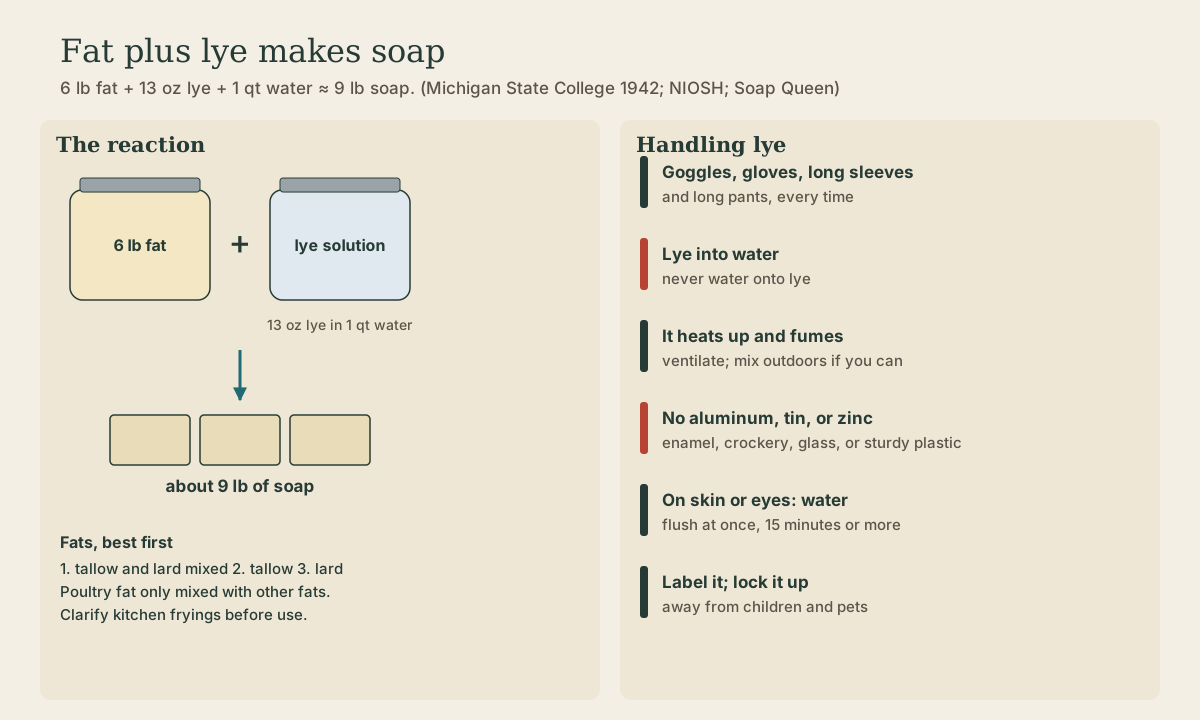
Which fats. Mixed fats make the best soap. In order of preference: tallow and lard mixed, then tallow alone, then lard. Poultry fat works only combined with other fats 1.
Rendering butchering fat. Grind the fat or cut it into strips, put it in a kettle with a little water, heat slowly and stir often, and when the cracklings settle, strain off the fat and let it cool 1.
Clarifying kitchen fryings. Put the fryings in a kettle with an equal amount of water, bring it to a boil, take it off the heat and stir. Add 1 quart of cold water for each gallon of hot liquid, don’t stir, and let it cool. Lift the hardened clean fat off the top 1.
Handling lye
Lye is the dangerous part. Sodium hydroxide burns eyes and skin, irritates the lungs if breathed, and reacts with water and with metals such as aluminum, tin, and zinc 2. The rules:
- Protect yourself. Wear goggles, gloves, long sleeves, and long pants whenever you handle it 3.
- Lye into water, never water onto lye. Pour the dry lye slowly into the water. Water poured onto lye can erupt out of the container 3.
- Expect heat and fumes. Dissolving lye heats the water and gives off fumes for a few minutes. Work with good ventilation; many soapmakers mix the lye solution outdoors 3. That’s why the 1942 recipe dissolves the lye in cold water and lets it cool 1.
- Right containers. The bulletin used enamel, crockery, or glass and a wooden stick 1; sturdy heat-resistant plastic also works. Never aluminum, which reacts with lye to make hydrogen gas 3 2.
- First aid is water. If lye gets on skin, flush it with water immediately; in eyes, irrigate immediately 2. Keep flushing at least 15 minutes and get medical help. Don’t use vinegar: acid on a base releases more heat 3.
- Store it like poison. Label the container clearly and keep it away from children and pets 3.

Quick check
Water poured onto lye can erupt out of the container.
Quick check
The 1942 bulletin used enamel, crockery, or glass.
Quick check
Vinegar adds heat; water is the first aid NIOSH lists.
Try it
Before you make any soap, set up your station: an unchipped enamel pot and a glass or heavy plastic pitcher you’ll use only for soap, a wooden spoon, a kitchen scale, a thermometer, goggles, and gloves. Render or save 6 pounds of lard or tallow for the next lesson.
Lesson complete
Nice work.
Sources for this lesson
- 1Making Soap at Home (Extension Folder F-14, reprint). Michigan State College Extension Division. 1942. verifiedArchive copy; not current recommendations. 6 pounds of fat and 1 can of lye make 9 pounds of soap; fat from butchering makes excellent laundry soap; fryings can be clarified. Equipment: enamel, crockery, or glass utensils, wooden stick, household scales, wooden or heavy cardboard box lined with a wet cloth, thermometer. Clarifying fryings: boil with an equal amount of water, add 1 quart cold water per gallon, cool, lift off fat. Rendering: grind or cut fat, heat slowly in a little water, strain when cracklings settle. Mixed fats make the best soap; order: tallow and lard mixed, tallow, lard; poultry fat only combined with others. Cold process: 1 can lye (13 ounces), 1 quart cold water, 6 pounds fat, 3 tablespoons borax if desired. Temperatures: soft rancid fat 97-100 F with lye 75-80; sweet lard or soft fats 80-85 with 70-75; lard and tallow 100-110 with 80-85; tallow 120-130 with 90-95. Dissolve lye in cold water and cool; pour lye solution slowly into fat, stirring slowly and evenly, 20 or 30 minutes until it holds its shape; pour into box lined with cloth wrung out of cold water. Cut with knife or string or wire. Cure several weeks; aging completes the combining of lye and fat and dries the soap. Tongue test for neutral soap. Do not let new soap freeze. If it separates: melt with water to thick syrup, boil slowly until like honey, mold. Recommended for laundry and dishwashing.
- 2NIOSH Pocket Guide to Chemical Hazards: Sodium Hydroxide. National Institute for Occupational Safety and Health (CDC). verifiedIncompatibilities: water; acids; flammable liquids; organic halogens; metals such as aluminum, tin, and zinc; nitromethane. Exposure by inhalation, ingestion, skin or eye contact. Symptoms: irritation of eyes, skin, mucous membranes; pneumonitis; eye and skin burns. First aid: eye, irrigate immediately; skin, water flush immediately. Prevent skin and eye contact; provide eyewash and quick drench.
- 3Back to Basics: Lye Safety Guide. Soap Queen (Bramble Berry). 2015. verifiedWear eye goggles, gloves, long sleeves, and long pants. Always add lye to water, never water to lye. Use sturdy heat-resistant plastic or glass; sodium hydroxide and aluminum produce hydrogen gas. Work with ventilation; some mix lye solution outdoors. On skin, flush with water at least 15 minutes and seek medical attention; vinegar is discouraged because acid on a base releases more heat. Label lye containers and keep them away from children and pets.