Oily Rags and Spontaneous Combustion
Rags wet with linseed oil can heat themselves until they burst into flame, hours after you've left the shop; spread them flat to cure or seal them under water in a metal can, every time.
- 4 min
- 5 steps
- 3 questions
- Lesson 29 of 204
In this lesson
- It really happens
- Why it happens
- What to do, every time
- The same goes for
- What to take from this
Picking up where you left off.
It really happens
Spontaneous combustion of oily rags is not folklore. The National Park Service describes a case where a crew’s rag soaked with linseed oil ignited despite precautions 1, and the Wood Handbook carries an explicit caution: sponges, cloths, and paper towels wet with oil-based stain, any other oil or oil-alkyd, or urethane finish are “particularly susceptible to spontaneous combustion” 2. Fires from oily rags burn down shops, garages, and houses every year, often hours after the work was finished and everyone has gone to bed.
Why it happens
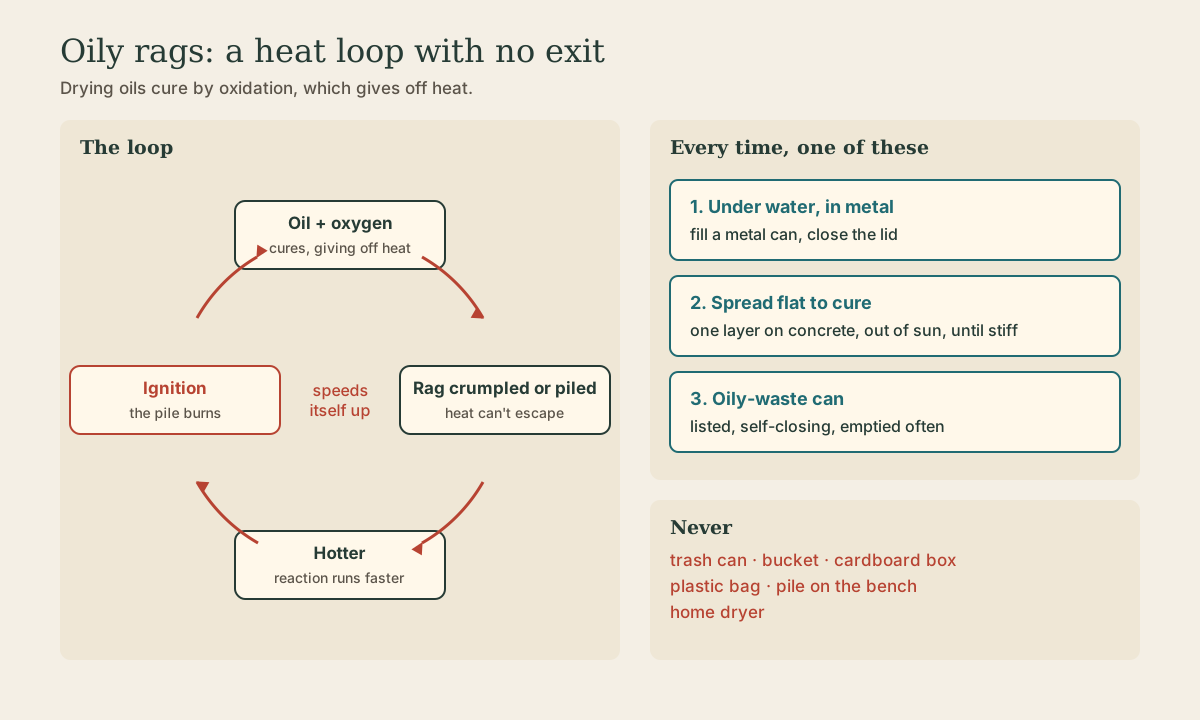
Drying oils cure by reacting with oxygen, and that reaction gives off heat 3. On a tabletop the heat escapes harmlessly. But a rag holds a thin film of oil spread over an enormous surface area, with plenty of air in its fibers, so the reaction runs fast. Crumple that rag into a ball, or pile several in a bucket or trash can, and the heat has nowhere to go. As the temperature rises, the reaction speeds up, which makes more heat. Eventually the rags reach their ignition point and burn.
Linseed oil (raw or boiled), tung oil, oil-based stains, Danish and “tung oil” finishes, oil-based varnishes and polyurethanes, and linseed oil paint all carry this risk. Even cooking oils can do it in large quantities. Water-based finishes don’t.
Quick check
The oxygen reaction that cures the oil releases heat. Spread out, it dissipates; bunched up, it builds until the rags ignite.
What to do, every time
Pick one method and make it automatic:
- Under water, in metal. Put rags in a metal can, fill it with water, and close the lid. Water cuts off the oxygen and absorbs heat. The Wood Handbook’s instruction is to immerse them in water and seal them in a water-filled, airtight metal container immediately after use 2. Dispose of the can through your local hazardous waste program or once the oil has hardened, as your municipality allows.
- Spread flat to cure. For home projects, the National Park Service recommends spreading the rags in a single layer on concrete, out of direct sunlight, with the corners weighted against wind, until they’re stiff and brittle 1. Once fully hardened, they’re inert. Hanging rags individually over a line outdoors works the same way.
- Approved containers. Shops using a lot of rags should use a listed oily-waste can, a self-closing metal can designed for this, and have it emptied regularly.
Never:
- toss oily rags in a trash can, bucket, or cardboard box;
- stuff them in a plastic bag;
- leave them in a pile on the bench “until later”;
- throw them in a dryer, or wash and dry oil-soaked shop towels in a home dryer.
Quick check
Or put them under water in a closed metal can.
The same goes for
- Paper towels and sanding dust soaked with oil finish.
- Steel wool used with oil finishes; steel wool can also self-heat.
- Wood shavings and sawdust that have absorbed oil.
- Brushes are less risky, but store them in oil or clean them; don’t wrap oily brushes in rags.
What to take from this
Curing linseed and other drying oils give off heat; a crumpled pile of oily rags traps it until they ignite, sometimes hours later. Every time, either seal the rags under water in a metal can or spread them flat, one layer, outdoors on concrete until stiff. Never put them in the trash, a bag, or a heap.
Practice
Water cuts off oxygen and absorbs heat; spreading them thin lets the heat escape. A trash can or bag traps heat and is how shop fires start.
Lesson complete
Nice work.
Sources for this lesson
- 1Fire Prevention 52: Spontaneous Combustion - Fact or Fiction?. National Park Service. verifiedAn NPS crew's linseed-oil rag ignited; spread rags in a single layer on concrete to dry, or use an approved container.
- 2Finishing Wood (Wood Handbook, Chapter 16). USDA Forest Service, Forest Products Laboratory, FPL-GTR-282. 2021. verifiedWeathering and UV damage to lignin, sunburned wood and the tape test, paint versus penetrating finishes, drying and nondrying oils, food-contact finishes, and the spontaneous-combustion warning for oily rags. Cited at: Penetrating Stains.
- 3Bob Flexner. Understanding Wood Finishing: How to Select and Apply the Right Finish. 3rd revised ed. Fox Chapel Publishing. 2021. verifiedThe standard reference on finish chemistry and practice - drying oils and driers, shellac cuts, waxes, and what each finish can and can't do. Cited at: Oil Finishes.