Pine Tar and Tar Mixtures
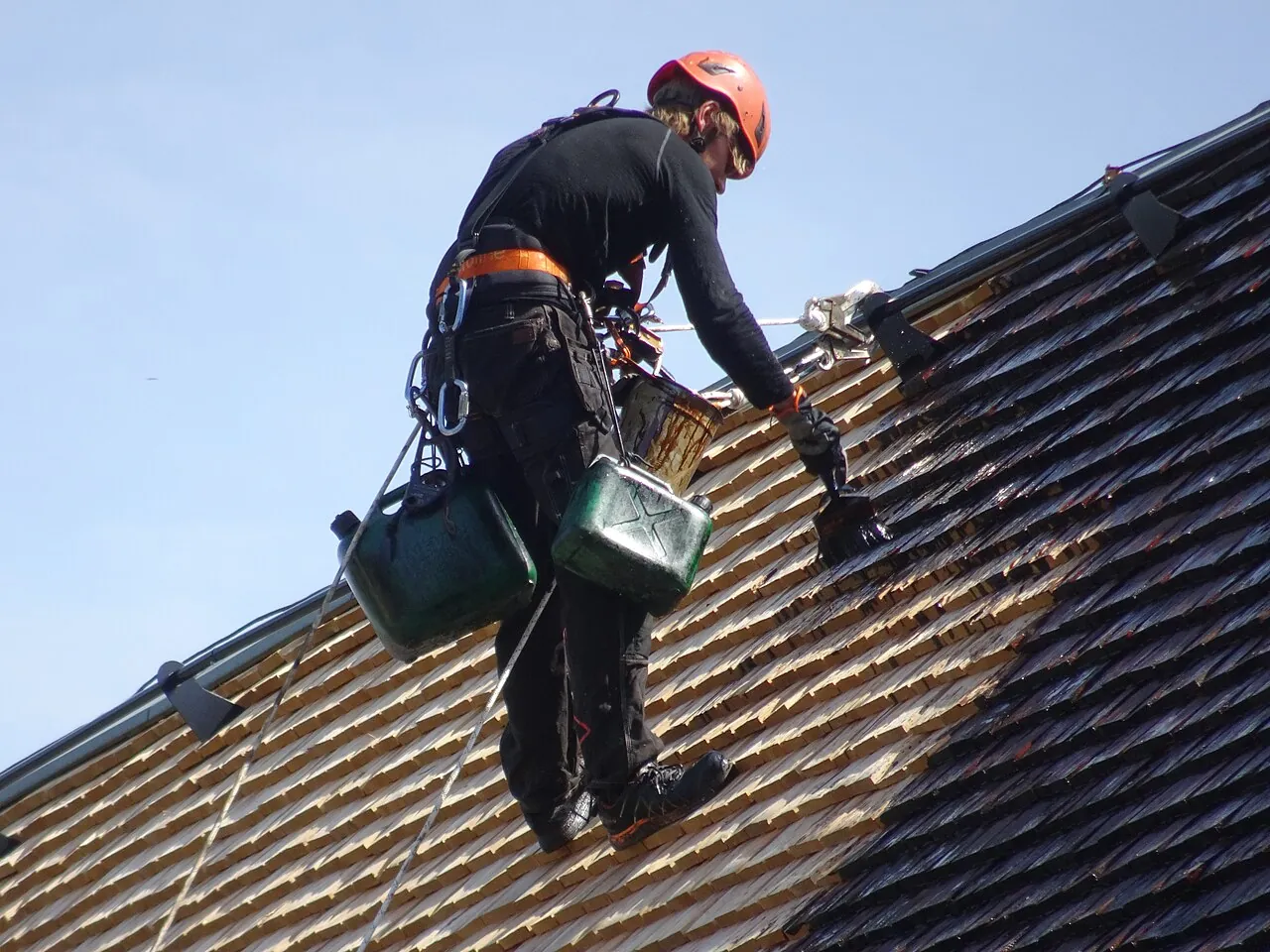
Pine tar, cooked from resinous pine roots in Nordic tar kilns, protected ships, rigging, stave churches, and shingle roofs; mixed with linseed oil and turpentine it's still the classic coating for boats, log walls, and tool handles.
- 5 min
- 6 steps
- 3 questions
- Lesson 34 of 204
In this lesson
- A Nordic export
- How tar is made
- What tar does on wood
- Mixtures
- Applying
- What to take from this
Picking up where you left off.
A Nordic export
Pine tar is the dark, sticky, smoky-smelling liquid that kept wooden ships afloat for centuries. Mariners have used it to preserve wood and rigging for at least six hundred years. In northern Sweden and Finland small landowners made it as a cash crop; in 1648 a single company was granted Sweden’s tar export monopoly and shipped it through Stockholm, so “Stockholm tar” came to mean high-quality, light-colored pine tar 1.
On land it protected stave church walls and roofs, wooden shingle roofs, log buildings, and fences. Norwegian stave churches are still re-tarred regularly; their dark color is tar.
How tar is made
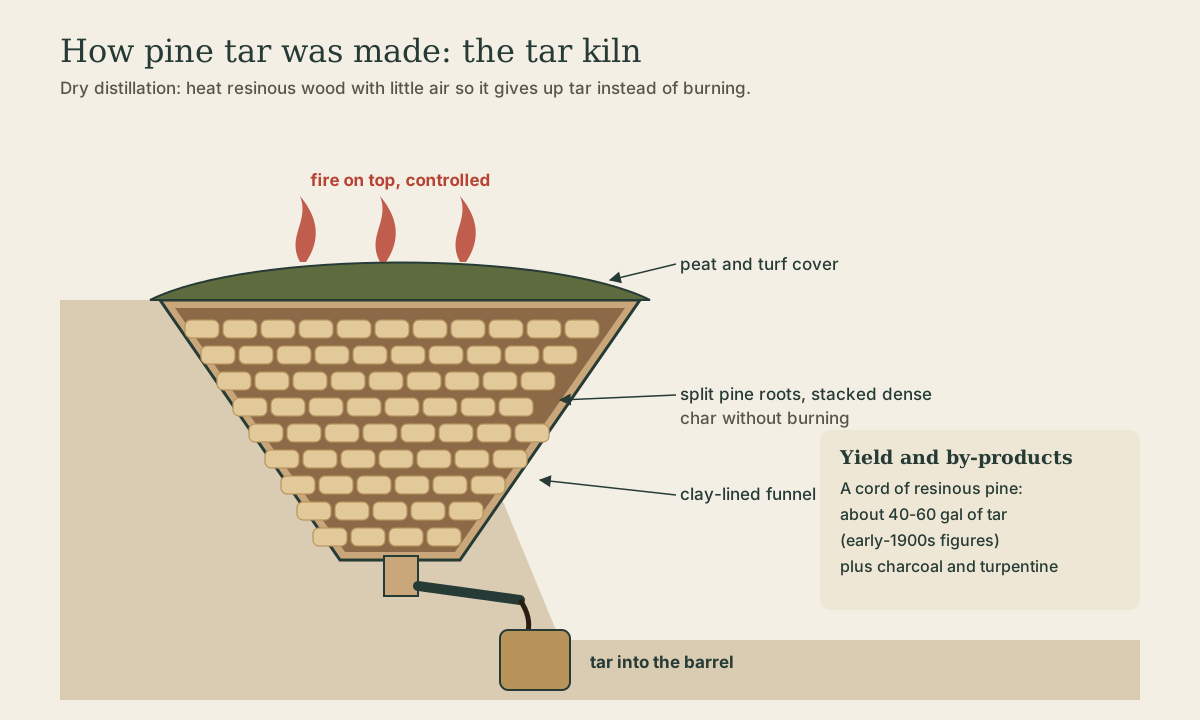
Pine tar is made by dry distillation: heating resinous wood with little or no air, so it decomposes and gives up tar instead of burning.
The traditional Swedish method, from a 1914 description: in late summer, producers dug up and cleaned the roots of Scots pine, which are packed with resin, split them, and stacked them to weather over the winter. The tar kiln (tjärdal) was built on a slope in a funnel shape with a spout at the bottom, lined with clay or iron. The split roots were stacked densely inside, covered tightly with peat and turf, and a fire was lit on top and controlled so the wood charred without burning. Over the following days, tar trickled down and out of the spout into barrels. The by-products are charcoal and turpentine 1.
A cord of resinous pine yielded roughly 40 to 60 gallons of tar, plus turpentine and several hundred pounds of charcoal, according to early-1900s figures. Today most pine tar is a by-product of softwood charcoal production, refined by vacuum distillation; a little “peasant tar” from traditional kilns is still made in Sweden and sells for twice the price 1.
Quick check
Peasant producers dug pine roots, split and stacked them in a funnel-shaped kiln, covered them with turf, and controlled the fire so the roots gave up tar instead of burning.
Quick check
Dry distillation; charcoal and turpentine are by-products.
What tar does on wood
Pine tar’s resinous, oily, aromatic compounds soak into wood, repel water, and resist decay fungi and insects, while still letting the wood breathe; makers describe it as letting wood dry rather than rot from within. It stays somewhat soft and slowly weathers, so tarred wood is renewed every few years. Straight tar is thick and sticky; in practice it’s thinned and combined with oil.
Mixtures
Mystic Seaport Museum, which maintains a fleet of historic wooden vessels, describes several working mixtures 1:
- Rigging: a mixture of about 4 parts pine tar to 1 part varnish between layers of served standing rigging, drying to a hard shiny coat.
- Oakum and cordage: pine tar heavily thinned with mineral spirits and turpentine so it soaks into the fibers without staying sticky.
- Boat wood: a soaking oil of turpentine, boiled linseed oil, pine tar, and Japan drier, sometimes called “Old Down East Deck Coating.” For wood in the ground, they use the first three in equal parts without the drier.
That equal-thirds mix, pine tar, boiled linseed oil, and turpentine, is the classic all-purpose soaking finish for:
- wooden boats and oars;
- axe and tool handles, where it gives grip without a slick film;
- log walls, porches, fences, and outdoor furniture;
- shingle and shake roofs.
For a lighter or drier finish, increase the oil and turpentine; for more protection outdoors, increase the tar. Commercial pine tar varnish or “tar oil” blends follow the same idea.
Playback is optional. If the player is unavailable, open the video at its source.
Applying
- Work on clean, dry, bare wood. Pine tar won’t penetrate existing film finishes.
- Warm tar mixtures flow and penetrate better; set the can in hot water rather than heating it over flame.
- Brush on liberally, let soak, and wipe off the excess after an hour or so. What doesn’t soak in stays tacky.
- Expect a long cure, from days to weeks, with a strong smell. Two or three coats on new wood; renew yearly to every few years.

Rags with tar and linseed oil carry the same spontaneous combustion risk as any drying-oil rag 2. Pine tar is also a skin irritant for some people; wear gloves.
What to take from this
Pine tar comes from dry-distilling resinous pine roots in earth-covered Nordic tar kilns; Stockholm tar became the byword for quality. It soaks in, repels water, resists decay, and breathes. Use it thinned and mixed, classically equal parts pine tar, boiled linseed oil, and turpentine, on boats, tool handles, log walls, and roofs, applied warm, wiped off, and renewed every few years.
Practice
Mystic Seaport describes turpentine, boiled linseed oil, pine tar, and Japan drier as a soaking oil; equal thirds without the drier is the common simple version.
Lesson complete
Nice work.
Sources for this lesson
- 1Theodore P. Kaye. Pine Tar: History and Uses. Mystic Seaport Museum, via National Historic Ships UK. 2011. verifiedSwedish "peasant tar" from pine root kilns, the 1648 Stockholm Tar monopoly, kiln yields, and Mystic Seaport's tar, turpentine, and linseed oil mixes for rigging and boats.
- 2Finishing Wood (Wood Handbook, Chapter 16). USDA Forest Service, Forest Products Laboratory, FPL-GTR-282. 2021. verifiedWeathering and UV damage to lignin, sunburned wood and the tape test, paint versus penetrating finishes, drying and nondrying oils, food-contact finishes, and the spontaneous-combustion warning for oily rags. Cited at: Penetrating Stains.
Further reading
- Bob Flexner. Understanding Wood Finishing: How to Select and Apply the Right Finish. 3rd revised ed. Fox Chapel Publishing. 2021. verifiedThe standard reference on finish chemistry and practice - drying oils and driers, shellac cuts, waxes, and what each finish can and can't do.